Fabrics & Sheers
Heavy Drapes: How Lined and Velvet Curtains Get Cleaned
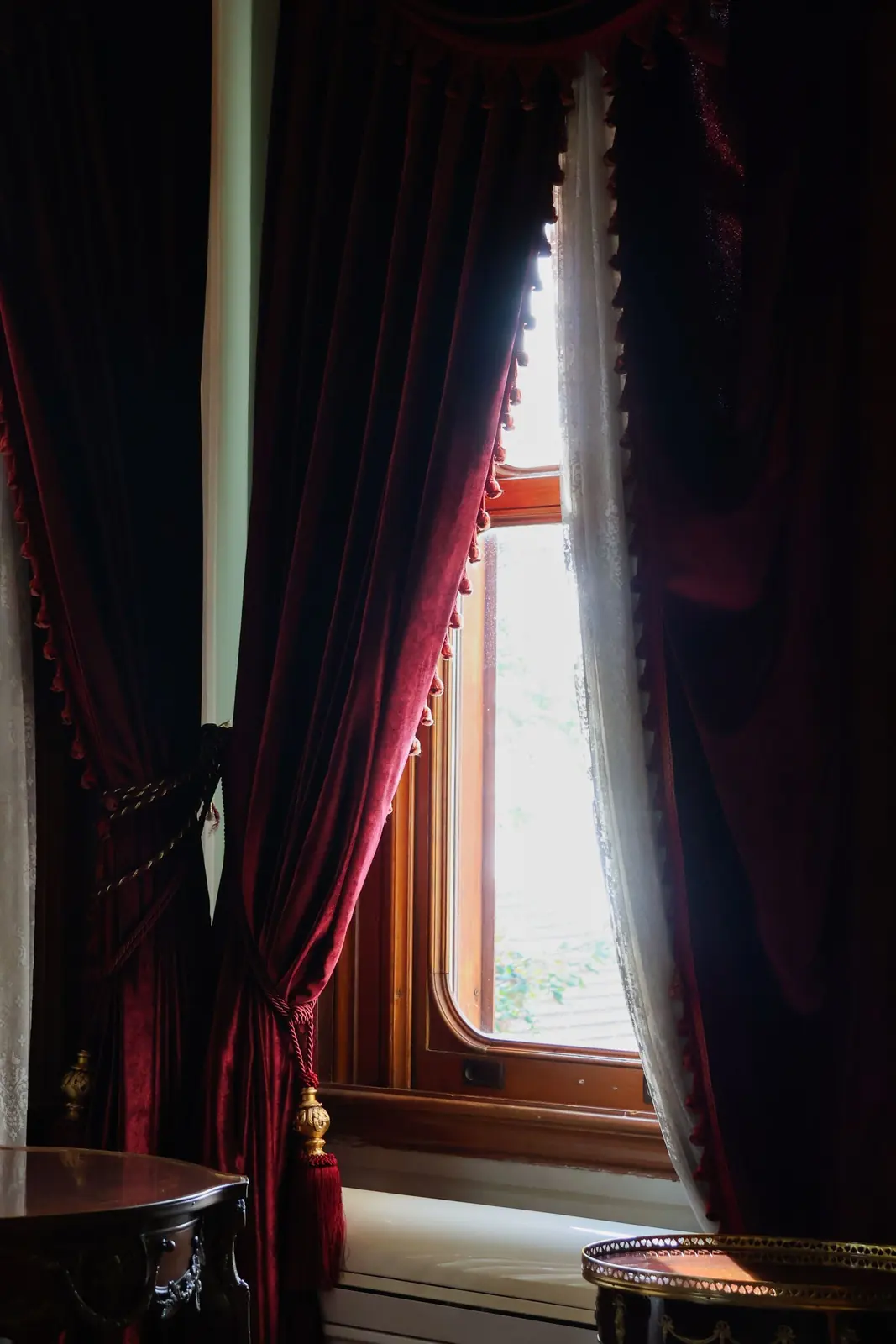
Heavy drapes cleaning is different from washing ordinary curtains because of what’s inside them. A lined or interlined drape is several fabrics sewn together, each of which reacts to water and heat in its own way, and velvet adds a raised pile that crushes and marks easily. For most heavy drapes, the safest options are professional dry cleaning offsite or careful onsite steam cleaning, chosen to suit the fabric, the lining and how dirty the drapes are.
This guide explains why weight and layers matter, how velvet and lined drapes are usually handled, and what you can safely do yourself. If you’d rather hand the job over, see our drapes cleaning service in Melbourne.
Why heavy drapes cleaning needs a different approach
A pair of full-length lined drapes on a wide living room window can be surprisingly heavy, and much heavier again once wet. That weight creates problems a light sheer never has.
- Layers shrink at different rates. The face fabric, the lining and any interlining may each be a different fibre. Get them wet and one can shrink more than the others, leaving puckered seams or a lining that hangs below the hem.
- Wet weight strains everything. A soaked drape pulls on its heading tape, hooks and stitching, and can stretch out of shape as it dries.
- Domestic machines aren’t built for it. Bulky drapes can overload a home washer, tangle, and come out creased in ways that are hard to press out.
- Drying is slow. Thick, layered fabric held damp for too long is an invitation for mildew and odour.
How velvet drapes are cleaned
Velvet looks rich because of its pile: millions of short fibres standing up from the base fabric. Anything that flattens those fibres changes how the fabric catches the light, which is why velvet can look patchy after a careless clean.
What usually works
Many velvet drapes, especially cotton, silk or viscose velvet, are best dry cleaned, which avoids water marks and shrinkage. Some polyester velvets tolerate gentle steam, and steam can help lift a pile that has been flattened by tiebacks or folding. Either way, the pile should be brushed and handled in its natural direction and never pressed flat with a hot iron.
What to avoid
- Rubbing spills, which crushes the pile and spreads the mark
- Spot-cleaning with water on non-washable velvet, which often leaves a ring
- Hanging damp velvet in strong sun, which can fade it unevenly
Lined, interlined and blockout drapes
Standard lined drapes have a lighter cotton or polyester lining to protect the face fabric and help it hang. Interlined drapes add a soft, felt-like middle layer for insulation and fullness, common in formal rooms and older homes. Blockout linings carry a coated layer to stop light.
Each brings its own risk. Interlining is the most shrink-prone and the hardest to dry, so interlined drapes are very often a dry clean job. Blockout coatings age, and once they start to crack or peel, any cleaning can make the damage more obvious. Linings also take the brunt of the sun, so on north- and west-facing windows the lining may be weaker than the drape itself; it’s common for a sun-rotted lining to split along the leading edge even when the face fabric looks fine. If you’ve noticed dark spotting on the back of your drapes, our guide to mould on the curtain lining covers whether it can be saved.
Dry cleaning or steam: which suits your drapes?
Both methods have a place. Here’s how they usually compare for heavy fabrics.
| Consideration | Offsite dry cleaning | Onsite steam cleaning |
|---|---|---|
| Best for | Velvet, silk, interlined and dry-clean-only drapes | Robust synthetic and blended drapes with general dust and odour |
| Shrinkage risk | Low | Low to moderate, depending on fabric |
| Drapes stay up? | No; taken down, cleaned, returned and rehung | Yes, cleaned where they hang |
| Heavier soiling | More thorough, whole-piece treatment | Good refresh; limited by how much moisture is safe |
| Drying | Handled before return | Drapes are left slightly damp to air-dry |
The care label is the starting point. Where it’s missing, which is common with older or custom-made drapes, a cleaner will look at the fibres, the lining and the construction before recommending a method. You can read more about what happens to drapes sent out in what happens when curtains are dry cleaned.
Can you wash heavy drapes at home?
Occasionally, yes, but only when the label clearly allows it and the drapes are unlined or lined with a matching washable fabric. If you decide to try:
- Check the label and test a hidden corner with water for colour run.
- Remove hooks and loosen any pull cords on the heading tape.
- Use a cold, gentle cycle with mild detergent, and don’t overload the machine.
- Skip the tumble dryer; dry flat or over a line spread across several supports to share the weight.
- Rehang while very slightly damp so the folds settle, and open a window to finish drying.
If the drapes are velvet, interlined, silk, or have no label at all, don’t gamble. The cost of replacing a pair of custom drapes is far higher than the cost of a careful professional clean. Our curtain fabric cleaning guide runs through how individual fibres behave.
Keeping heavy drapes cleaner between cleans
Heavy drapes trap a lot of dust in their folds. A gentle vacuum every month or so with a soft upholstery brush, working from the top down, removes much of it before it settles in. Open the drapes fully each day so the folds can air out, and pull them a little away from cold glass in winter so condensation can’t soak the lining. It also helps to rotate tiebacks to different heights occasionally, so the same section of pile isn’t crushed year after year.
Be realistic about what cleaning can achieve on old drapes. Faded fold lines, bald patches in worn velvet and sun damage to linings won’t reverse, and set-in stains may lighten rather than disappear. An honest assessment before cleaning is worth more than a promise of perfection. For a sense of how size, lining and fabric affect cost, see our curtain cleaning prices guide.
Drapes cleaning in Melbourne
Melbourne Blinds & Curtains Cleaners cleans lined, interlined, blockout and velvet drapes for homes and businesses across Melbourne, onsite or offsite depending on what the fabric can take. Call (03) 9125 4547 for a free quote or visit our drapes cleaning page.