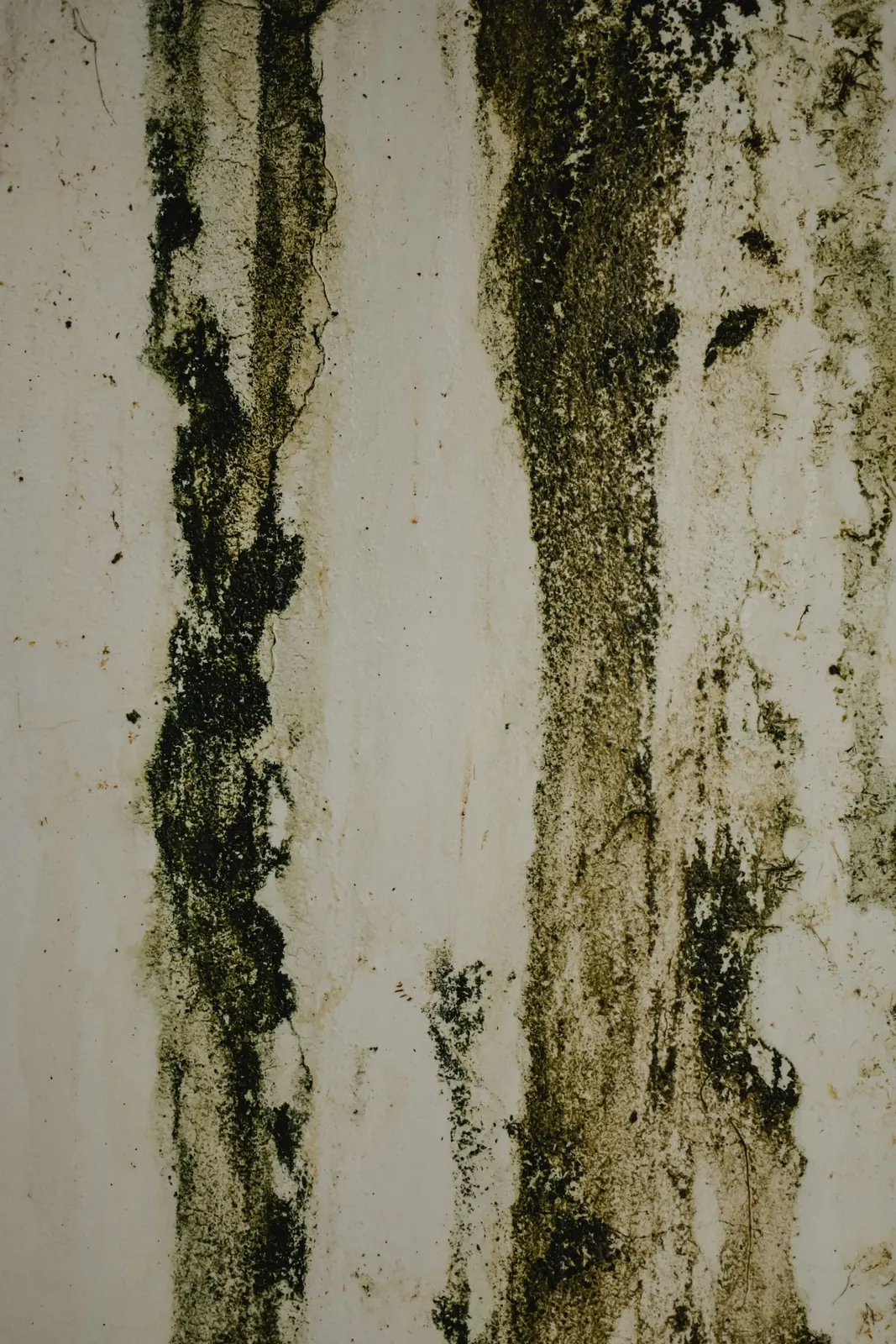
Mould, Smells & Stains
Why Curtains Go Mouldy in a Melbourne Winter (and What to Do)

Curtain mould in a Melbourne winter almost always comes down to condensation. Warm, moist air inside the house meets cold window glass, turns to water, and the curtain hanging against that glass soaks it up night after night. Mould spores are always floating around, and damp fabric that rarely sees sun gives them exactly what they need.
The fix has three parts, and the order matters: dry the window, get air moving, then clean the curtains. Skip the first two and the spots tend to return by the next cold snap. If they’re already well established, our curtain mould removal service can assess what’s salvageable.
How curtain mould takes hold in a Melbourne winter
Every household puts a surprising amount of water into the air: breathing while you sleep, hot showers, boiling pasta, a load of washing drying on a rack in the hallway. In summer that moisture escapes through open windows. In winter, with the house shut up and the heater running, it has nowhere to go.
The coldest surface in most rooms is the window. Plenty of Melbourne homes still have single glazing and aluminium frames, which chill quickly overnight. Once the glass drops below the dew point of the room air, water beads on it and runs down to the sill.
Curtains make this worse in a way that surprises people. When they’re drawn at night, they trap a pocket of air between fabric and glass. That pocket stays cold and still, so condensation builds up faster, and the back of the curtain sits in damp air for hours. The hem often rests in the puddle on the sill. Do that every night from June to August and the lining becomes a reliable place for mould to grow.
Which rooms and curtains are most at risk?
| Room or situation | Why it’s vulnerable | What to look for first |
|---|---|---|
| Bedrooms | Hours of breathing behind a closed door | Spots along the bottom third of the lining |
| South-facing rooms | Little or no winter sun to dry the fabric | A musty smell before any visible marks |
| Bathrooms and ensuites | Steam from showers, sometimes a weak fan | Dots on blinds and the edges of short curtains |
| Living areas with clothes airers | Drying washing releases a lot of water | Wet sills and water lines on hems |
| Apartments | Small rooms, limited cross-ventilation | Mould on frames and seals as well as fabric |
Blockout and thermal curtains catch it often because they seal so well against the glass. Layered setups, where a sheer hangs behind a heavier drape, can trap two layers of damp air; our guide to cleaning layered sheers and blockouts covers how each layer is handled.
What does early curtain mould look like?
Catching it in the first few weeks makes a big difference to how well it cleans up. Check the back of your curtains once a fortnight through winter. Signs to watch for:
- small grey, black or green dots on the lining, usually starting near the hem
- tide marks or a faint brown line where the fabric has been wet and dried repeatedly
- a damp, earthy smell when you open the curtains in the morning
- black spotting in the corners of the window frame or along rubber seals
- a slightly stiff, cold feel to the bottom of the curtain
Sometimes the smell comes well before any spots. If that’s where you are, read why curtains smell musty. If the marks are already on the lining, see our piece on whether mouldy curtain lining can be saved.
Stopping condensation before it reaches the fabric
Cleaning without changing the conditions is like mopping under a dripping tap. These habits make the biggest difference through a Melbourne winter:
- Dry the glass every morning. A small squeegee and an old towel take two minutes. Wring the towel outside, not into the sink you use for food.
- Open curtains fully during the day so the fabric and the glass can both dry out.
- Let some air in. Even a window open a few centimetres for part of the day helps shift damp air. Use exhaust fans in the bathroom and kitchen, and leave them running a little after you finish.
- Dry washing outside or in a ventilated space where you can. On wet days a dehumidifier in the room with the airer helps.
- Keep hems off the sill. If the curtain sits in water, a slightly shorter hem or a tieback during the day helps.
- Heat steadily rather than in bursts. Rooms that swing between very warm and very cold tend to condense more.
If you rent and the mould keeps coming back because of a building problem, such as a leaking frame, a broken fan or rising damp, report it to your agent or landlord in writing. Consumer Affairs Victoria has guidance on repairs; check your lease and CAV guidance for what applies.
Cleaning mouldy curtains safely
Mould needs a bit of respect. Before you start:
- Wear gloves and a P2 mask, and open windows.
- Don’t dry-brush mould indoors; it sends spores into the room. Take the curtain outside if you need to brush or vacuum it.
- Check the care label and test anything on a hidden spot first.
- Never mix bleach with ammonia or vinegar. The fumes are dangerous.
- Think twice about bleach at all. It strips colour and weakens fibres, and on lined curtains it can bleed through to the face fabric.
Washable, unlined curtains can often go through a gentle cycle as the label allows, then dry quickly outdoors in shade on a breezy day. Lined, heavy or delicate curtains are a different story. They may shrink unevenly or pucker, so they’re usually better cleaned professionally, either onsite with steam and hot-water extraction or offsite by dry cleaning.
Be realistic about the outcome. Fresh mould on a sound lining often cleans up well. Older, deep staining may lighten rather than disappear, and fabric that has been damp for years can be weakened. We’ll tell you what we see before any work starts.
Get mouldy curtains looked at in Melbourne
If the winter has left spots on your curtains or blinds, send us a photo or book a look. We use gentle cleaning solutions and will recommend onsite or offsite cleaning based on the fabric. See how our mould removal for curtains works, find curtain cleaners near you, or call (03) 9125 4547 for a free quote.