Mould, Smells & Stains
Getting Bushfire Smoke Smell Out of Curtains
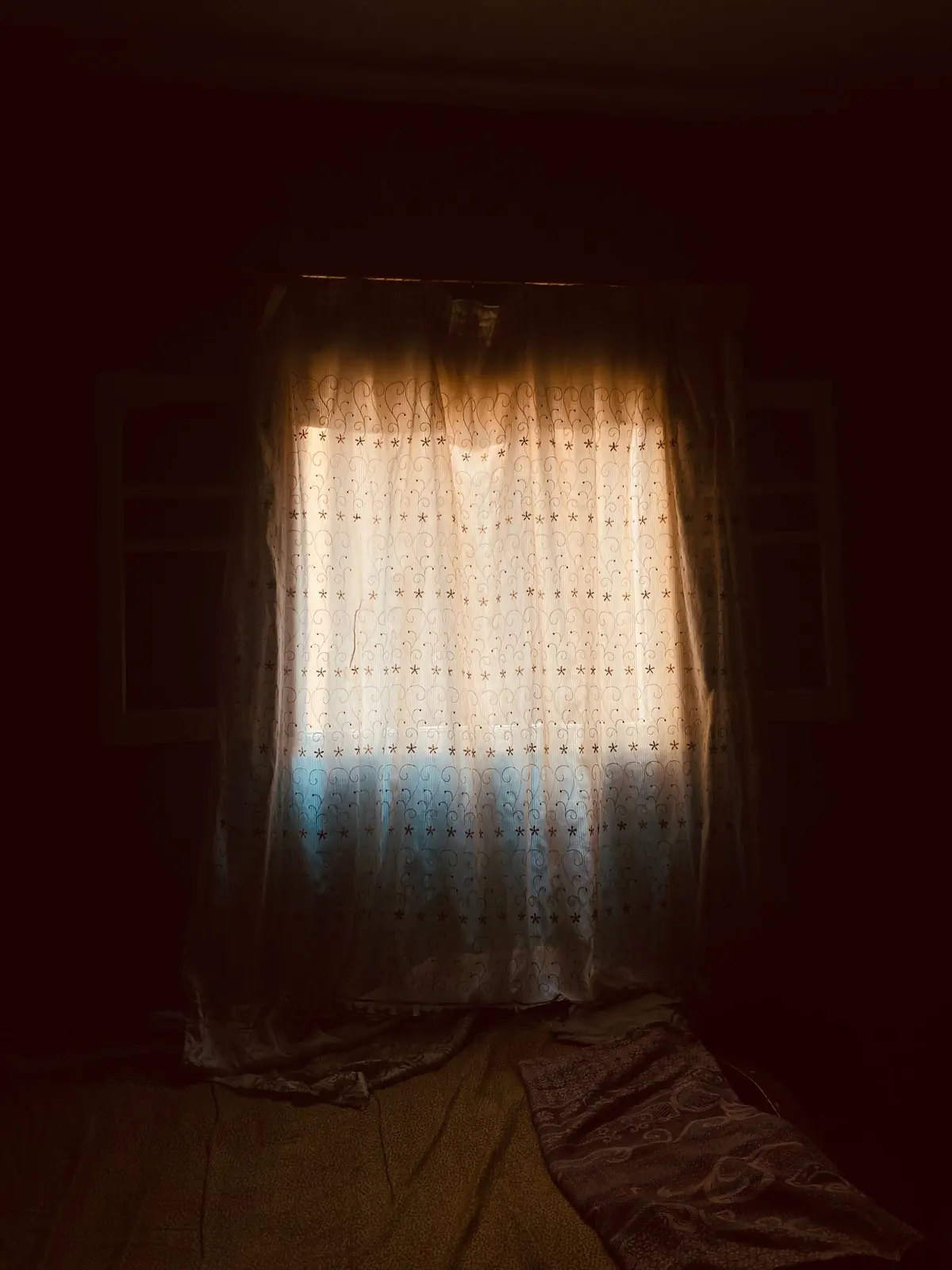
To get a smoke smell out of curtains, air the room, vacuum the fabric gently, then clean the curtains in a way that suits the fabric: a cold, gentle machine wash for washable sheers and cottons, and professional dry cleaning or onsite hot-water extraction for lined drapes, velvet and wool blends. Fragrance sprays only hide the odour for a day or two. If the smell survives one round, it has usually settled deep in the lining, and a more thorough clean is what shifts it.
Melbourne gets smoke from bushfires to the east and north, from planned burns in autumn, and from wood heaters on still winter nights. Whatever the source, curtains are often the last thing in the house to stop smelling of it, and thick lined ones are the worst offenders. Here is why, and what actually works, whether you tackle it yourself or book a professional drapes clean.
Why does smoke smell cling to curtains so much?
Smoke isn't just a smell. It is a haze of tiny particles and oily residue that drifts through gaps around windows, vents and doors, then lands on the first soft surface it meets. Curtains hang right in that path. Count every fold and they have a huge surface area, and the weave catches particles much like a filter does.
Some curtains hold the odour far longer than others:
- Natural fibres. Wool, cotton and linen take odour into the fibre itself, not just onto the surface.
- Pile fabrics. Velvet and chenille have a raised surface with plenty of room for fine particles to settle.
- Linings and interlinings. A thermal or blockout lining sits closest to the glass, where smoke seeps in, and it is rarely aired.
- Closed-up rooms. Shutting the house during a smoky spell is sensible, but the smoke that did get in has nowhere to go and slowly soaks into soft furnishings.
Warm afternoons then release the smell again, which is why many people notice it weeks later when the sun hits the curtains.
First steps once the air clears
Wait until outdoor air quality has improved before you open up. Then work through these in order:
- Ventilate. Open windows on opposite sides of the house for a cross-breeze lasting a few hours. Pull the curtains wide so air moves behind them as well as in front.
- Vacuum gently. Use the soft brush attachment on low suction, top to bottom, front and back, including the lining. This lifts loose ash before it gets ground in.
- Shake out light sheers outdoors if they slide off the track easily.
- Wipe window frames and sills. Fine ash collects there and will dirty freshly cleaned curtains if you skip it.
- Clean the filters in split systems and air purifiers, or they will keep pushing a faint smoky smell around the room.
Resist hanging curtains in harsh direct sun for hours to bake the smell out. A short airing in shade or on an overcast day is fine, but strong UV fades dyed fabric and weakens old sheers, especially in north- and west-facing rooms.
Removing smoke smell from curtains: wash, dry clean or clean onsite?
Airing helps, but it rarely clears smoke odour on its own. The residue has to be dissolved and carried out of the fibre. Which method does that safely depends on what the curtains are made of, so read the care label before anything else.
| Curtain type | Where the smoke sits | Usual approach |
|---|---|---|
| Polyester sheers | Mostly on the surface | Cold, gentle machine wash if the label allows; hang to dry |
| Unlined cotton or linen | Absorbed into the fibre | Wash only if the label allows and a hidden test shows no shrinkage; otherwise dry clean |
| Lined or blockout curtains | Mainly in the lining | Professional dry cleaning or onsite extraction; never tumble-dry the coating |
| Velvet, wool blends, silk | Deep in the pile or fibre | Dry cleaning |
| Large drapes that are hard to take down | Throughout | Onsite steam and hot-water extraction on the track |
If you wash at home, use a mild detergent, a cold or cool cycle and the gentlest spin. Don't overload the machine, because heavy wet fabric can stretch out of shape. Never tumble-dry sheers or anything with a blockout backing; rehang them slightly damp so their own weight pulls out the creases. Some cottons and linens shrink noticeably in water, and a curtain that loses a few centimetres of drop won't reach the sill any more, so test a hidden corner if you have any doubt.
Heavy lined drapes are a different job. They're bulky, the face fabric and lining can react differently to water, and the odour often sits in the layer you can't see. Our drapes cleaning service in Melbourne handles these either by taking them down for dry cleaning or by cleaning them where they hang, depending on the fabric. If you're sorting out which curtains in the house can go in the machine, our fabric-by-fabric list of curtains that need dry cleaning will save some guesswork.
What doesn't work, and what can make it worse
- Fragrance sprays and plug-ins. They mask the smell briefly, then the two odours combine into something worse.
- Bicarb soda sprinkled on fabric. It has its uses on carpet, but it is hard to vacuum out of pleats and folds and can leave a white haze on dark curtains.
- Bleach or strong vinegar soaks. Bleach strips colour and weakens fibres, and vinegar can mark some dyes. Never mix bleach with vinegar or ammonia; the fumes are dangerous.
- Rubbing ash marks. Fine soot smears into a grey streak when you rub it. Vacuum it off first and let the clean deal with what remains.
- Hot washes just to be sure. Heat can set residue into the fibre and shrink the fabric.
If the smoke came from a fire in or next to the house
Everything above is about smoke that drifted in from outside. A fire in your own home or right next door usually means soot, which is heavier and oilier, and often water damage from firefighting too. That's a restoration job. Photograph everything before it is cleaned or thrown out, and speak to your insurer about what they need first. Curtains can often still be cleaned afterwards, but pale fabric with soot staining may lighten rather than return to its original colour.
A word on health: if smoke has left anyone in the family with breathing problems, see a GP. The Better Health Channel has general, plain-language guidance on bushfire smoke at home. Cleaning curtains may help freshen a room and reduce settled dust, but it isn't a health treatment.
Honest expectations
Most curtains that picked up drifted bushfire or wood-heater smoke come up fresh after a clean that suits the fabric. A few situations take more effort:
- Thick interlined drapes that have soaked up smoke over several seasons may need a second clean before the smell is fully gone.
- Recent ash marks on white or cream sheers usually lift, but older grey staining may only lighten.
- Sun-weakened sheers can split during any kind of clean, so it's worth checking their condition first.
- If the rest of the room still smells of smoke, freshly cleaned curtains will pick it up again. Air the house and deal with cushions and throws at the same time.
A musty smell is a separate problem, though the two get confused in older homes. If you're not sure which one you have, our guide on why curtains smell musty explains the difference. For velvet and thick lined curtains, the heavy drapes cleaning guide covers how they're handled.
Get help with smoky curtains and drapes
If the smell is still lingering after airing and vacuuming, we can clean your curtains and drapes onsite or take them away for dry cleaning, using gentle cleaning solutions matched to the fabric. Quotes are free and depend on the size, fabric and lining of each curtain; you can read what affects curtain cleaning prices or call (03) 9125 4547 to talk it through.