Mould, Smells & Stains
Curtains, Blinds and Melbourne's Pollen Season
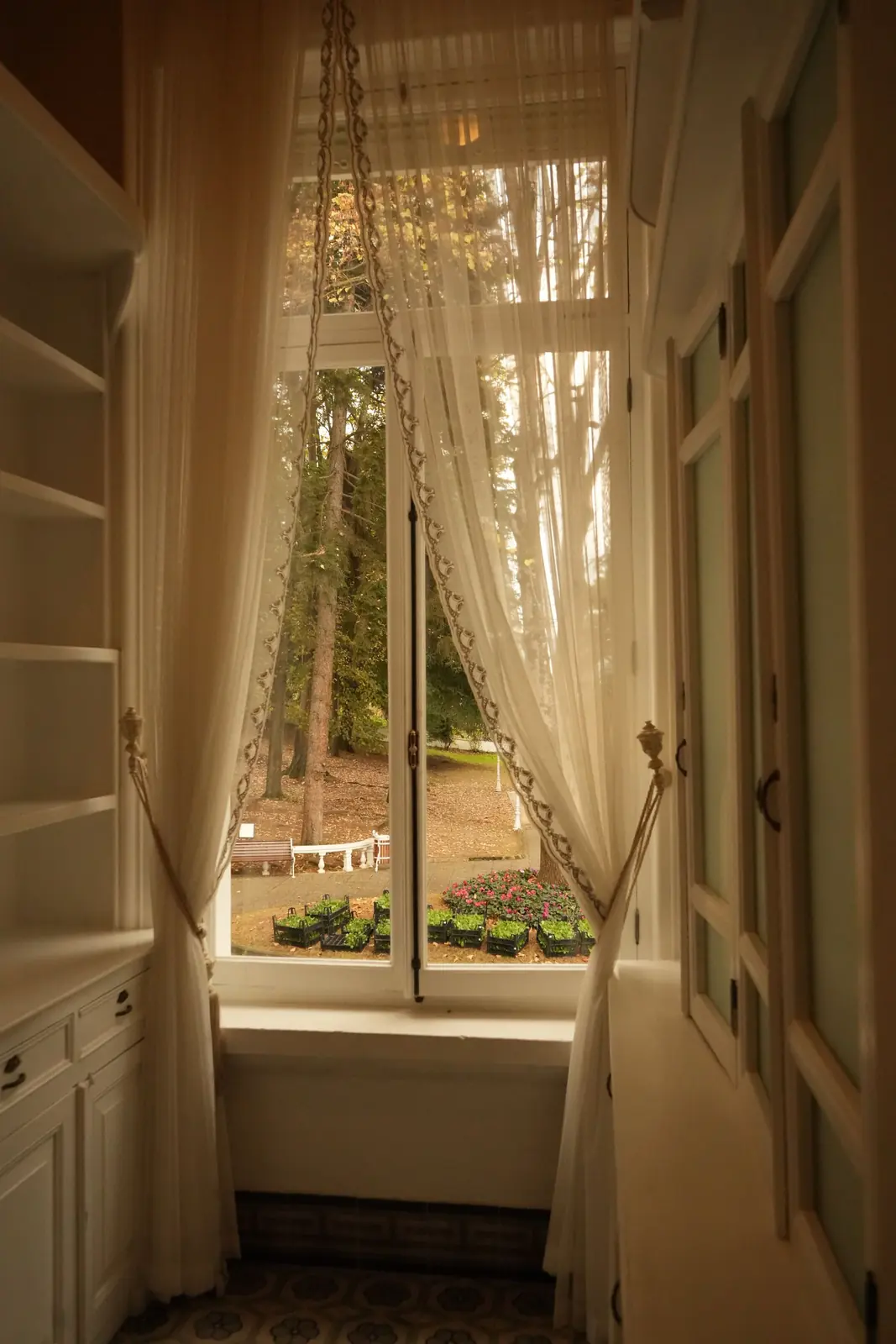
Curtains and blinds catch pollen that drifts in through open windows and doors, then shed some of it back into the room each time they’re opened, closed or brushed past. For people with hay fever in Melbourne, cleaning curtains before and after the spring grass pollen season, which runs roughly October to December, may help reduce the pollen and dust sitting indoors. It isn’t a treatment, and it works best alongside other simple habits.
This guide covers how pollen collects in window furnishings, when to clean, which cleaning method suits which fabric, and the daily habits that make the most difference. If you’d like it handled for you, our curtain steam cleaning treats curtains where they hang.
How pollen ends up in your curtains
On a warm spring day with a northerly blowing, a lot of grass pollen is carried through the air across Melbourne. Open a window or a sliding door and some of it comes straight in. The first thing it meets is usually a curtain or blind.
Fabric is good at holding onto fine particles. Pollen grains lodge in the weave of curtains, settle into the folds of pleats, and rest on the top edges of blind slats and roller blind fabric. Sheers hanging in an open window are especially efficient at catching it, because air passes right through them.
The pollen doesn’t stay put. Drawing the curtains, a breeze, a pet brushing past or a child playing behind the drapes can lift it back into the air. Mixed in with the usual household dust, that’s part of why a room can feel worse on some days even with the windows shut.
If you’re deciding where to start, put the bedroom first. It’s where most people spend the longest unbroken stretch of hours, often with a window cracked open on warm spring nights, and the curtains there sit only a metre or two from your pillow. Living areas with big sliding doors to the garden come a close second.
Does curtain cleaning help with hay fever in Melbourne?
It may help reduce how much pollen and dust is sitting in a room, which is a sensible part of keeping a home comfortable during the season. What it can’t do is treat hay fever or replace advice from a health professional. Plenty of other factors are involved, from the pollen in the air outside to what’s on your bedding and clothes.
For reliable general information, the Australasian Society of Clinical Immunology and Allergy (ASCIA) and the Victorian Government’s Better Health Channel both explain allergic rhinitis and practical ways to reduce exposure at home. If your symptoms are ongoing or getting worse, see your GP.
Timing your clean around pollen season
Because grass pollen tends to peak in late spring, timing makes a real difference:
- Before the season (late August to September): a deep clean clears out the dust and grime built up over winter, so your curtains start spring fresh.
- During the season (roughly October to December): vacuum curtains and dust blinds more often. Check the Melbourne Pollen Count forecast and keep windows closed on high-pollen days.
- After the season (summer): a second clean, or at least a thorough vacuum, removes what accumulated over spring.
For a wider look at how Melbourne’s weather affects curtain care through the year, see the best time of year to clean curtains.
Which cleaning method suits which curtain?
Not every fabric can take the same treatment. Here’s how the main options compare when the goal is clearing pollen and dust.
| Method | Best suited to | Good to know |
|---|---|---|
| Regular vacuuming at home | All curtains, between cleans | Use a soft brush attachment; a vacuum with a good filter holds fine dust better |
| Home washing | Unlined, washable curtains and sheers | Only if the care label allows; cold, gentle cycle; dry outside on a low-pollen day or indoors |
| Onsite steam and hot-water extraction | Many curtains and fabric blinds that tolerate moisture | Cleaned where they hang; allow drying time with good airflow |
| Offsite dry cleaning | Silk, velvet, interlined and other delicate fabrics | Taken down, cleaned, returned and rehung |
One detail people miss: drying washed curtains on the line in peak pollen season can undo some of the good work, since damp fabric outdoors catches pollen easily. Pick a calm, low-count day, or dry them under cover.
Pollen isn’t the only allergen in soft furnishings. Our article on steam cleaning curtains and dust mites looks at what steam can and can’t do there.
Don’t forget the blinds
Blinds collect pollen differently. Horizontal slats act like shelves, so a fine yellow-grey film builds up along their top edges. Roller blinds gather it on the fabric face and in the roll itself. Vertical blinds catch it on every louvre.
- Close venetian slats and dust them with a slightly damp microfibre cloth, so the pollen is picked up rather than flicked into the air.
- Vacuum fabric roller and vertical blinds on low suction with a brush attachment.
- Wipe the window sill and track after, because that’s where loosened pollen lands.
- Keep timber blinds to a dry or barely damp cloth, since water can warp the slats.
There’s more detail on routines that keep slats tidy in keeping blinds clean between professional cleans.
Everyday habits that help through spring
Small changes often matter more than one big clean. During pollen season, many Melbourne households find these worthwhile:
- keep windows and doors shut on windy, high-pollen days, and air rooms on calm mornings or after rain instead
- avoid shaking curtains out, which simply puts the pollen back in the air
- vacuum curtains weekly at the height of the season, starting from the top
- wash cushion covers, throws and bedding regularly too, since curtains are only one source
- leave shoes and outer layers near the door after time outdoors
- if someone in the house has hay fever, have someone else do the vacuuming where possible
Book a pre-season curtain and blind clean
If you’d like your curtains, sheers and blinds cleaned before the grass pollen arrives, we can help with onsite steam cleaning for curtains in Melbourne using gentle cleaning solutions, or offsite dry cleaning for delicate fabrics. Each job is quoted on size, fabric, lining and condition; see our curtain cleaning prices page for how it works, or call (03) 9125 4547 for a free quote.