Mould, Smells & Stains
Mould on the Curtain Lining: Can It Be Saved?
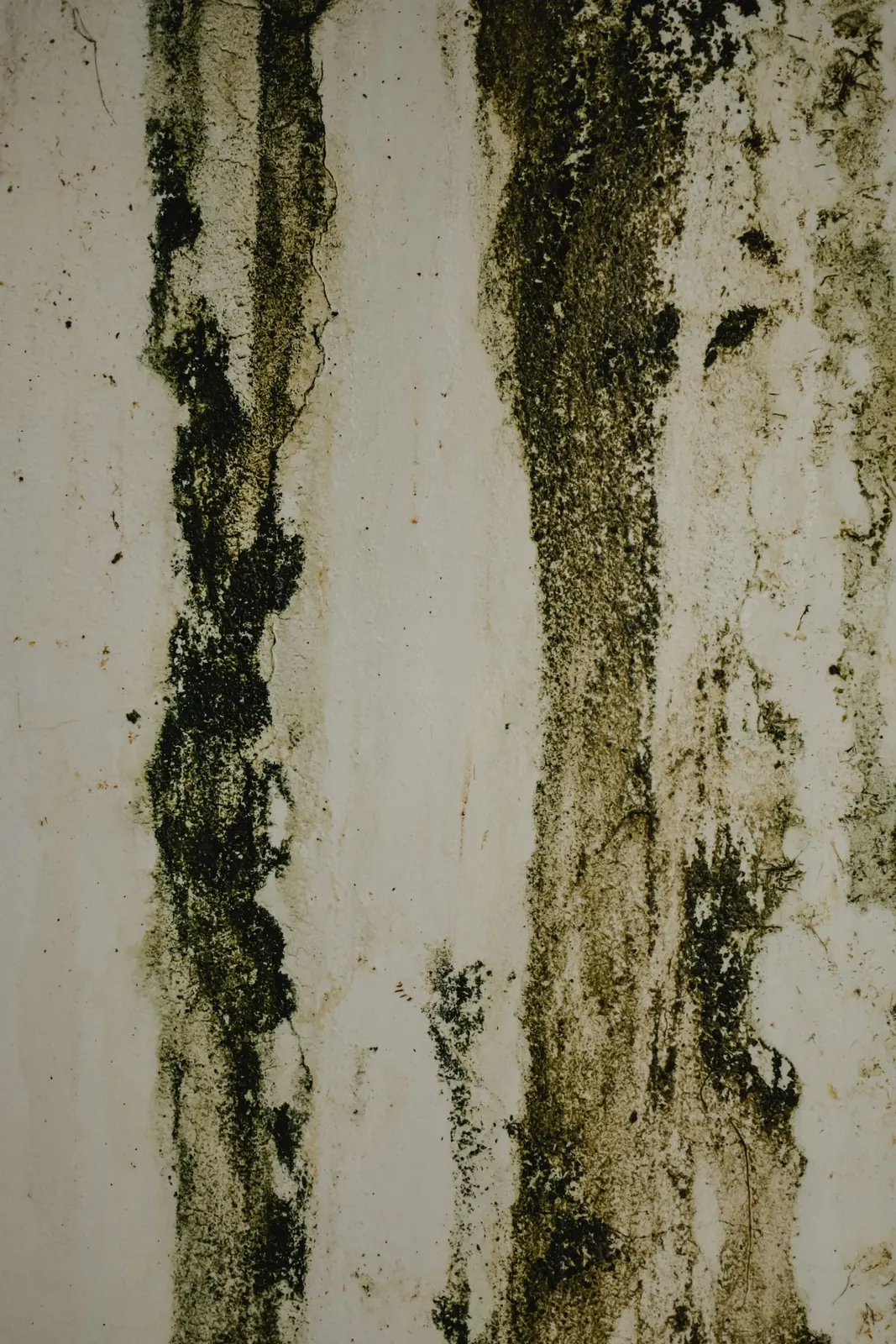
Mould on curtain lining can often be cleaned, especially when it’s caught early and the fabric is still strong. Light spotting on a sound lining usually lifts well; dense staining that has been there for a season or more tends to lighten rather than vanish. If the lining has gone brittle, or the blockout backing is cracking, cleaning may not be worth it and relining or replacing becomes the sensible option.
The key is knowing which of those situations you’re in before anyone puts water, steam or chemicals on the fabric. Here’s how to tell, what to avoid, and how a professional curtain mould removal service approaches lined curtains.
Why mould starts on the lining
The lining is the part of the curtain that faces the window. It’s the layer that sits closest to cold glass overnight, absorbs condensation, and spends most of its life in shadow. The decorative face fabric, by contrast, faces into a warm, drier room and catches daylight.
Most linings are cotton, poly-cotton or a fabric with a foam or acrylic blockout coating. Cotton holds moisture readily, and any dust and skin flakes trapped in the weave give mould something to feed on. Blockout coatings don’t absorb much water themselves, but condensation sits on their surface and settles into tiny cracks as the coating ages.
That’s why you can have curtains that look perfect from the room and a speckled grey lining you only discover when you pull them back. If it seems to happen every winter, our guide to why curtains go mouldy in a Melbourne winter explains the condensation side in detail.
Can mould on curtain lining be saved?
A good way to think about it is fabric strength plus how long the mould has had to settle in. The table gives a realistic picture of typical outcomes.
| What you find | Likely result after cleaning |
|---|---|
| Light grey or black dots, appeared this winter | Often cleans up well, sometimes with faint marks left |
| Dense patches that have been there a year or more | Usually lightens; a shadow or stain often remains |
| Mould that has come through to the face fabric | Harder to treat; colours in the face fabric limit options |
| Spots on an ageing blockout coating | Coating may crack or peel; mould in the cracks is stubborn |
| Lining that tears or feels powdery when pinched | May not survive cleaning; relining is worth considering |
None of these outcomes can be promised in advance, by us or anyone else. Fabric that has been damp for years behaves unpredictably, and a reputable cleaner will tell you the risks before starting.
Checking the curtain before you decide
You can learn a lot in ten minutes. Take the curtain down, or at least draw it right back, and look in good daylight.
- Look at both sides. Note whether marks are on the lining only, or showing through to the front.
- Find the care label. It tells you the face fabric and often the lining, and whether the maker says dry clean only.
- Do a gentle pinch test. On a hidden part of the lining near the hem, pinch and lightly pull. Sound fabric springs back; rotted fabric feels papery or gives way.
- Check how the lining is attached. Some linings are sewn in; others hook on separately and can be cleaned or replaced on their own.
- Bend a corner of any blockout backing. Fine crazing or flakes mean the coating is near the end of its life.
- Look at the hem and pleat tape. Mould often hides in folds and inside the heading.
Wear gloves and a P2 mask while you handle mouldy fabric, keep the room ventilated, and avoid brushing it off inside the house where spores can spread.
What not to do with mouldy lined curtains
A lot of curtains that could have been saved are damaged by a well-meant home treatment. These are the common ones:
- Soaking in bleach. Bleach weakens fibres and strips colour, and on a sewn-in lining it can wick through to the decorative fabric.
- Combining products. Never mix bleach with vinegar or ammonia; the fumes are hazardous.
- A hot machine wash. Face fabric and lining often shrink at different rates, leaving puckered seams and a curtain that no longer hangs straight.
- Tumble drying. Heat can crack blockout coatings and shrink fabric further.
- Rehanging while damp. A lining that goes back up wet is a fresh start for the same problem.
Unsure whether your lined curtains can go in the machine at all? Our comparison of dry cleaning versus washing curtains sets out which fabrics tolerate water.
How professionals handle mould on lined curtains
We start by looking at the fabric, the lining and how far the mould has spread, and we tell you what we think is realistic. From there, the curtain is usually treated in one of two ways.
Curtains with sturdy, water-tolerant fabrics may be cleaned onsite where they hang, using steam and hot-water extraction with gentle cleaning solutions. Delicate face fabrics, interlined drapes and anything at risk of shrinking are taken down and dry cleaned offsite, then returned and rehung. Heavier lined and velvet curtains have their own considerations, covered in our guide to cleaning heavy drapes.
If the lining has failed but the face fabric is lovely, a curtain maker may be able to fit a new lining. That’s worth asking about for good-quality drapes, since the face fabric is usually the expensive part.
Stopping the lining going mouldy again
A clean lining in a damp room will spot again. After cleaning, wipe condensation off the glass in the mornings, open curtains during the day, keep hems clear of wet sills and run exhaust fans. Checking the lining every couple of weeks through winter lets you catch the next round while it’s still a few dots.
Have a mouldy lining assessed
Send us a photo of both sides of the curtain or book a visit, and we’ll give you an honest view of what cleaning can achieve. Quotes are free and based on size, fabric, lining and condition; our pricing guide explains how. Learn more about our mould cleaning for curtains in Melbourne or call (03) 9125 4547.